
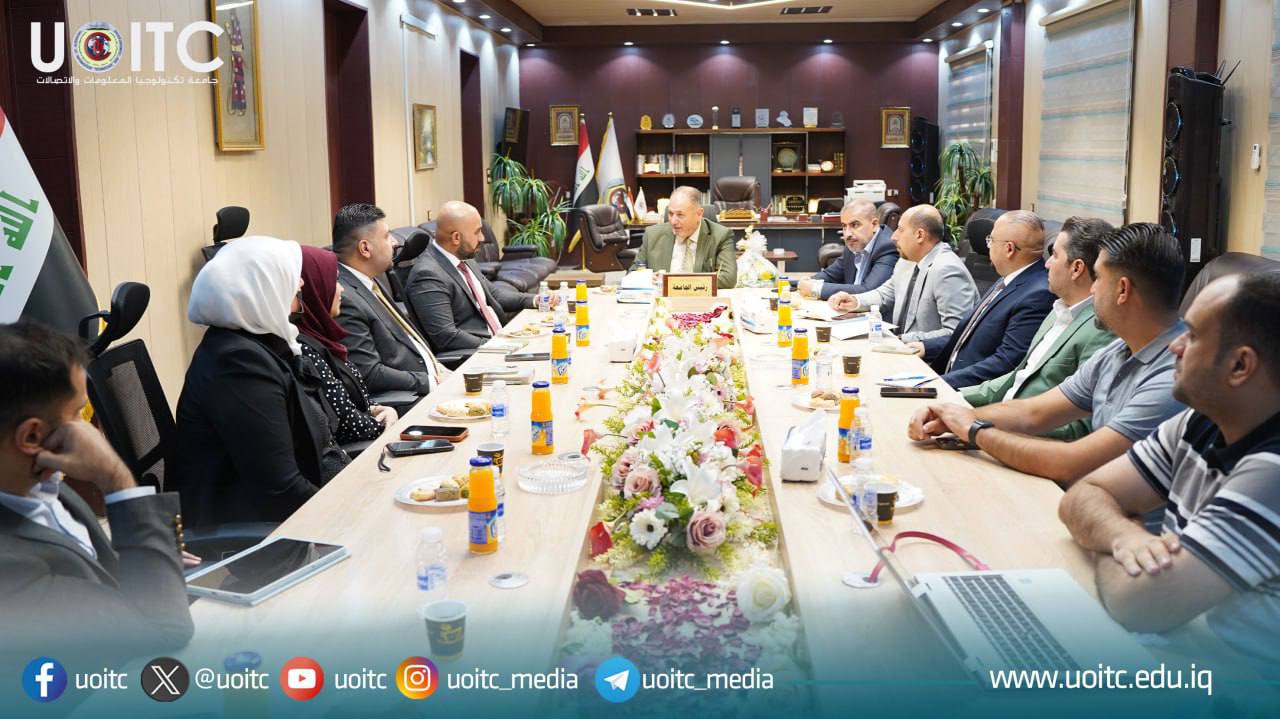
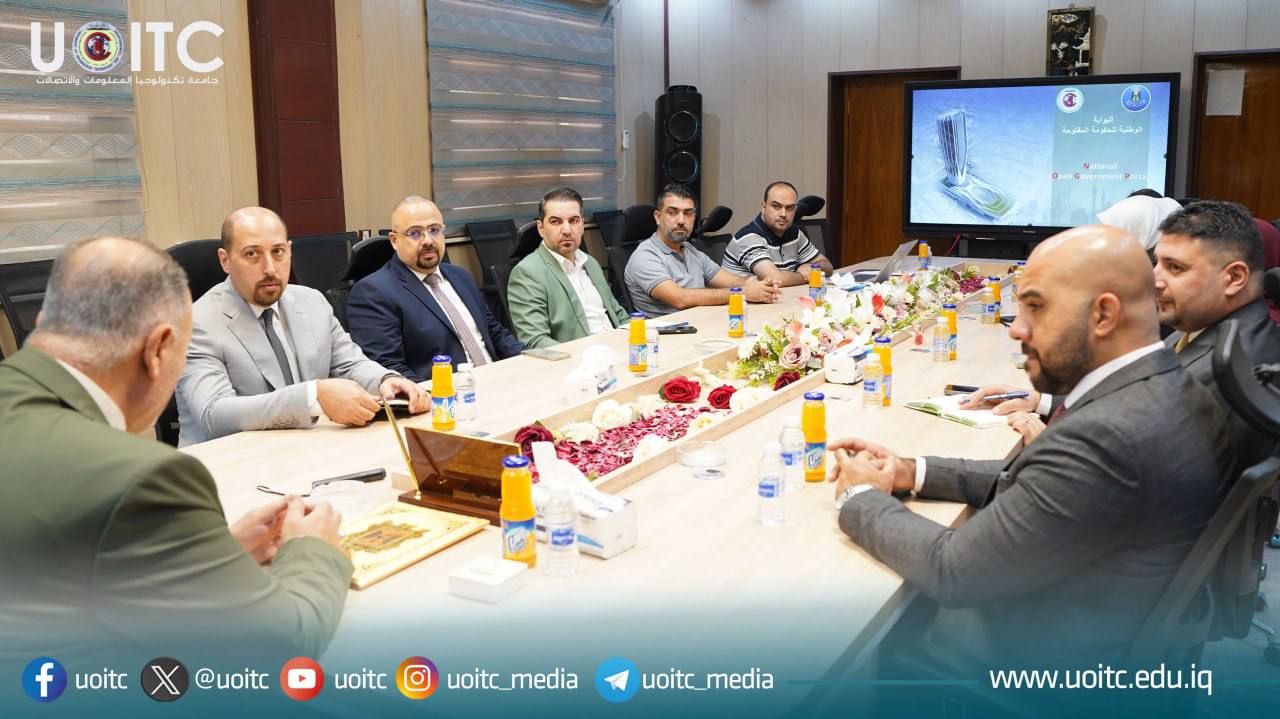
The committee responsible for the National Open Government Portal project held a meeting under the auspices of the National Security Advisory/Cybersecurity Center, with the attendance of representatives from the National Center for Digital Transformation at the General Secretariat of the Council of Ministers and the University of Information and Communication Technology, the project’s implementing agency. This meeting was in response to the directives of the Higher Committee for Coordination and Management of Government Activities towards establishing e-governance, formed pursuant to Diwani Order No. 22 of 2020.
The meeting discussed the technical and logistical requirements for launching the portal. Professor Abbas Mohsen Al-Bakri, Chairman of the National Open Government Portal Committee, reviewed the implementation steps achieved within the launch plan, praising the efforts of the technical teams and the high level of coordination among the relevant entities.
Dr. Al-Bakri emphasized that the portal project represents one of the pioneering national initiatives in promoting transparency, accountability, and the exchange of government data. He explained that it will contribute to improving the efficiency of resource use and designing e-services according to citizens’ needs, in addition to creating job opportunities in the fields of data analysis and information management.
He also explained that open data is a key component of evidence-based decision-making, contributing to public policy formulation, exploring development opportunities, and achieving sustainable development goals.
The technical team at the University of Information Technology and Communications gave a detailed presentation on the portal’s operating mechanism and operational and training requirements, affirming their readiness to complete the final stages of the project.
At the conclusion of the meeting, attendees commended the efforts made in implementing the project, emphasizing their commitment to launching the portal as soon as possible, in line with Iraqi laws and the principles of transparency and government openness.