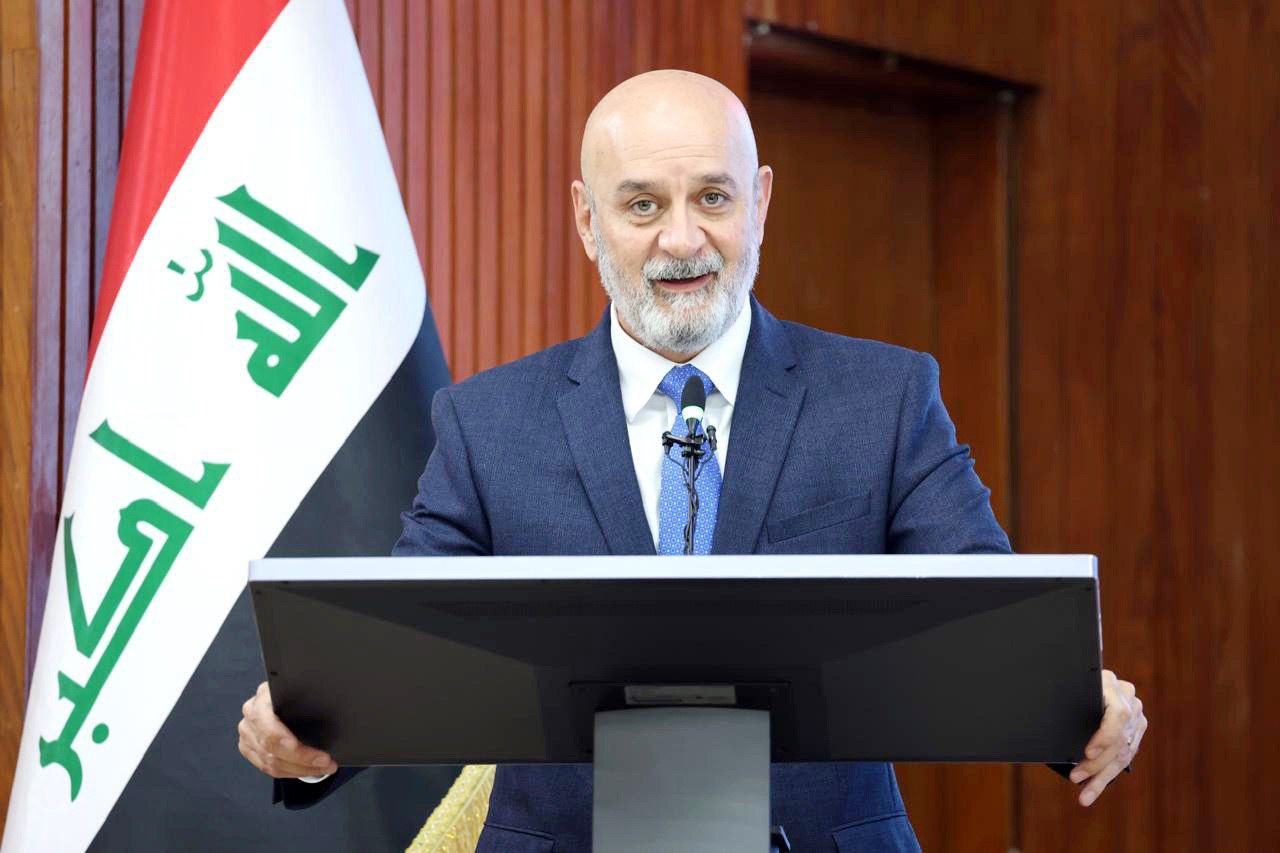
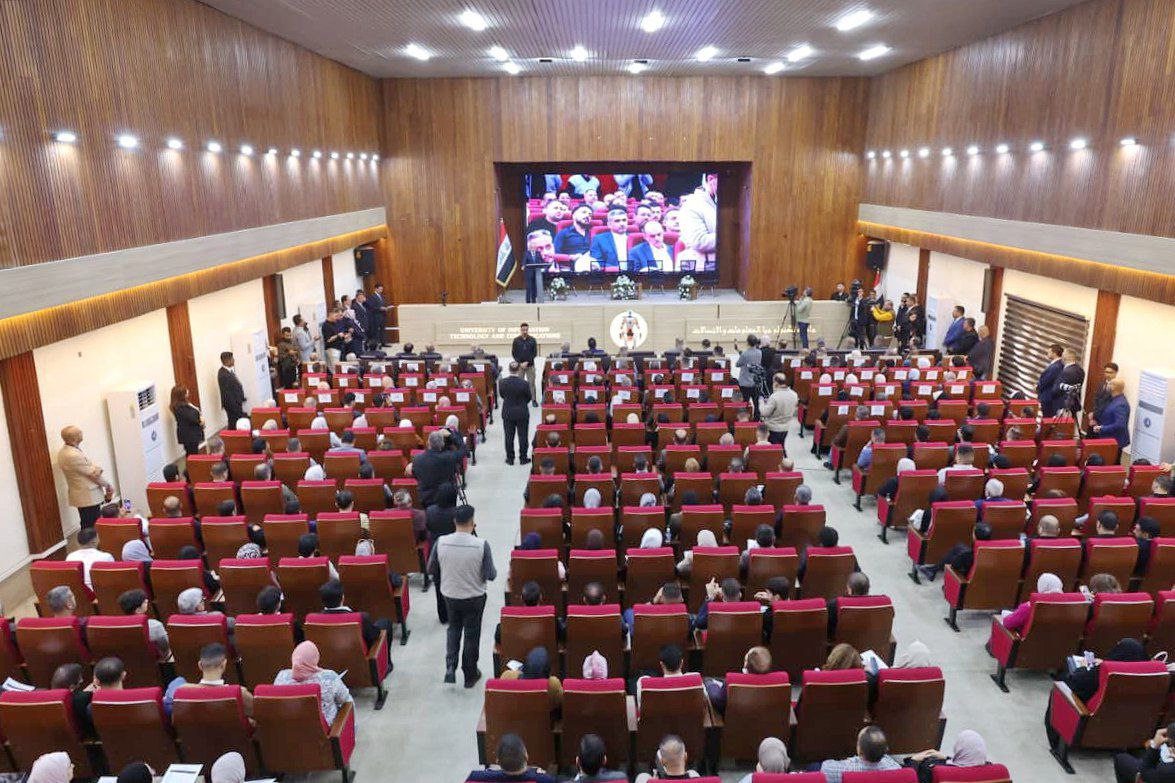
The University of Information Technology and Communications, in cooperation with Al-Mustaqbal University, organized the activities of the Fourth Annual Iraqi Artificial Intelligence Forum, attended by the Acting Minister of Higher Education and Scientific Research, Dr. Helo Al-Askari, the Secretary-General of the Federation of Arab Scientific Research Councils, and the Director of the UNESCO Office in Iraq, along with a number of university presidents, academic figures, and experts and specialists in the fields of digital transformation and smart technologies.
Dr. Al-Askari emphasized in his speech that the accelerating pace of artificial intelligence technologies places Iraqi universities before a strategic responsibility to adopt comprehensive digital transformation and to employ modern applications within an institutional environment capable of governing procedures, identifying challenges, and formulating innovative solutions that respond to the requirements of sustainable development.
His Excellency the Minister called for the need to translate the forum’s recommendations and scientific outcomes into clear executive programs that contribute to supporting the path of academic modernization, consolidating a culture of quality and accreditation, and strengthening the scientific infrastructure responsible for developing human capacities, thereby enabling Iraqi universities to actively engage in the international scientific landscape and keep pace with rapid technological advancements.
For his part, University President Professor Dr. Abbas Mohsen Al-Bakri explained that hosting the fourth edition of the forum embodies the university’s vision to serve as a leading national platform for empowering minds through artificial intelligence and redefining the boundaries of what is possible by employing modern technologies in support of sustainable development and institutional digital transformation. He added that the convening of the forum comes amid rapidly accelerating changes in digital technology in general, and artificial intelligence in particular, given its direct impact on the sectors of education, industry, commerce, and various aspects of daily life.
Al-Bakri also referred to the strategic initiatives launched during the forum’s first edition, most notably the draft of National Artificial Intelligence Strategy, describing it as a roadmap for organizing national efforts and unifying visions in the field of digital transformation. The University President further reviewed the initiative introduced during the forum’s third edition, which aims to design an application supporting the Arabic language through semantic analysis and addressing the issue of neglecting diacritical marks accompanying words. A research team was formed within the Smart Cities Project to develop the “Dijlah” model to support smart applications within the university, thereby contributing to strengthening Arabic digital content and expanding prospects for research and development in this vital field.
The event also featured speeches by the Secretary-General of the Federation of Arab Scientific Research Councils, Dr. Abdelmajid Ben Amara, and the Director of the UNESCO Office in Iraq, Mr. Alexandros Makarigakis. They emphasized the importance of promoting the ethical and responsible use of artificial intelligence technologies, expanding their applications in education, data analysis, and support for people with special needs, as well as anticipating future trends in emerging technologies.
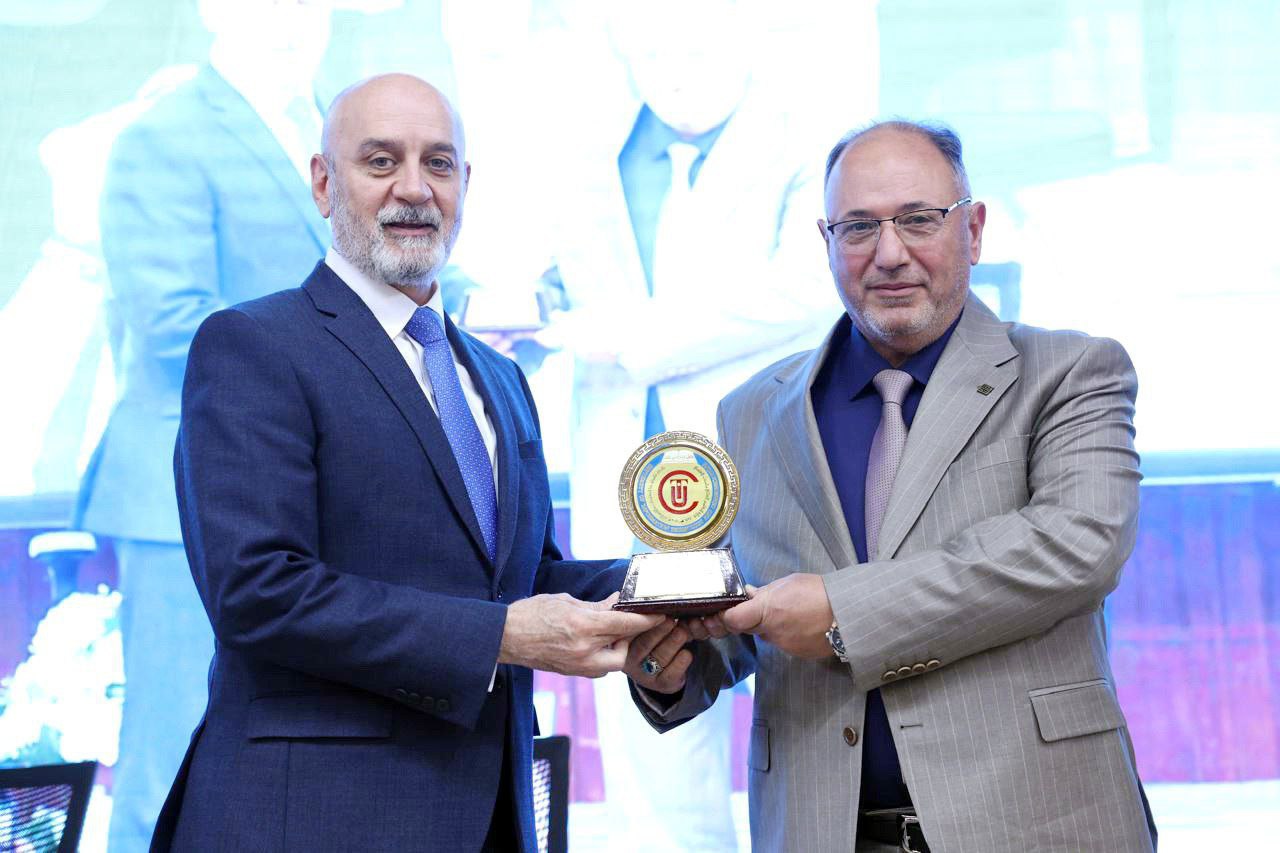
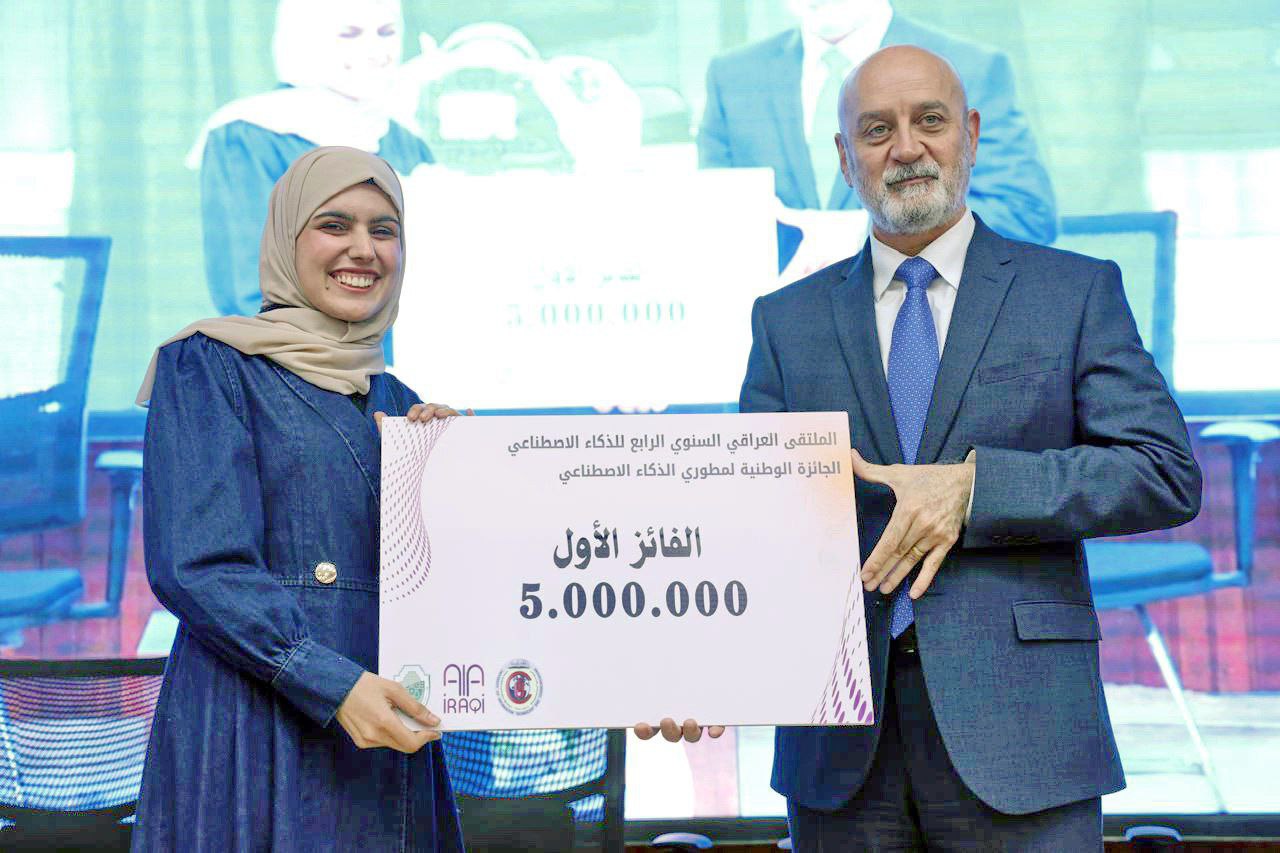
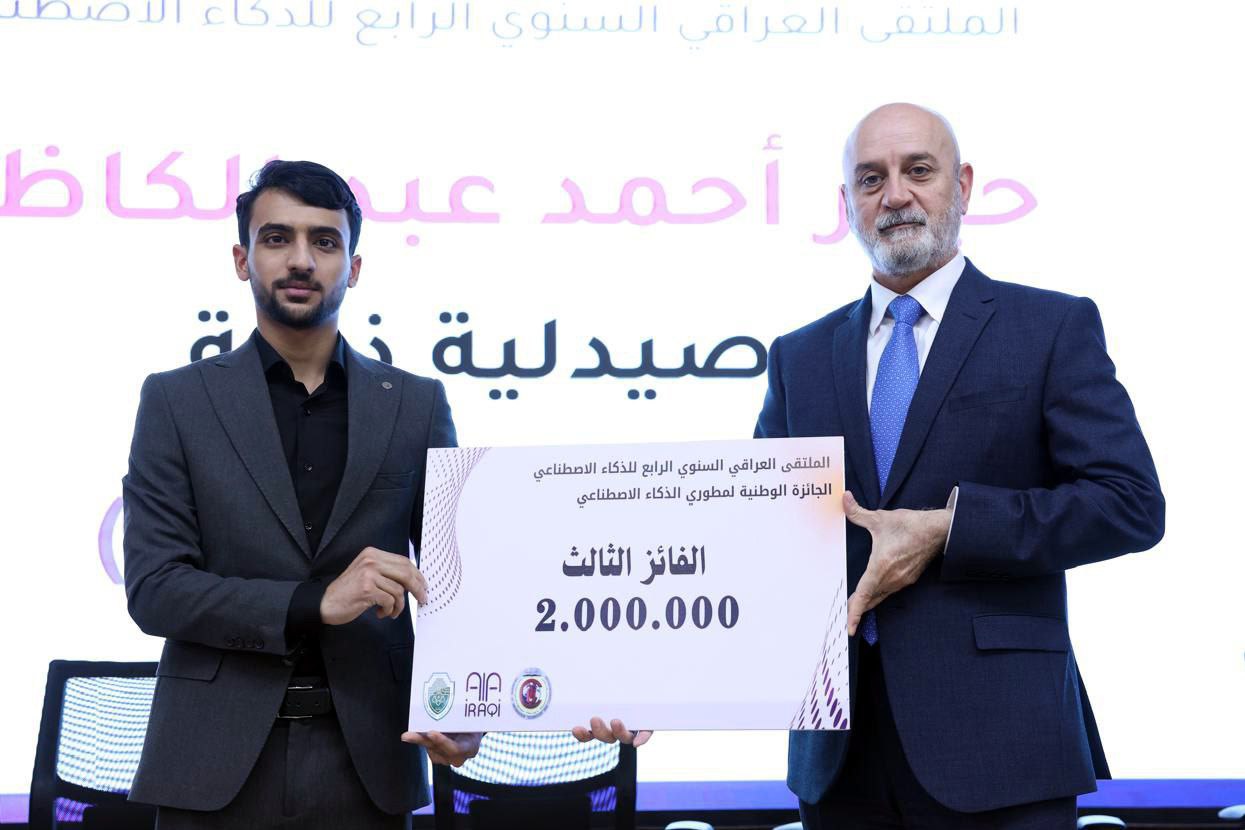
The forum included specialized panel discussions addressing the most prominent practical applications of artificial intelligence, in addition to announcing the results of the National AI Developers Competition and honoring the winners. This step reflects the university’s commitment to nurturing young talents, fostering a digital innovation environment within higher education institutions, and promoting a spirit of creativity and competition among developers and creators of smart solutions.